Proper base prep
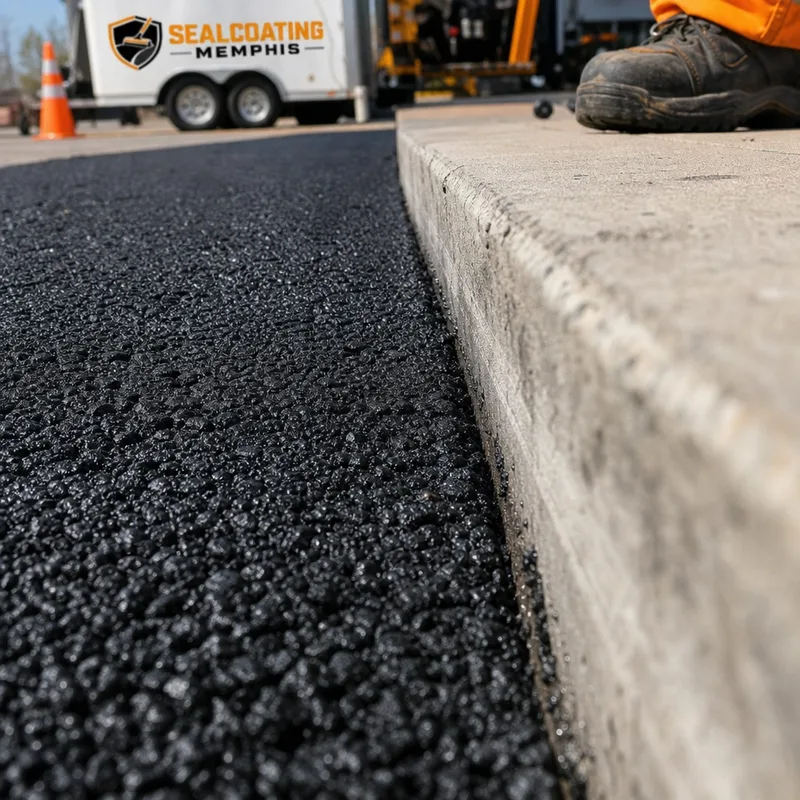
The base supports everything. We look for soft spots, pumping, and edge failures, then stabilize and re-compact before new asphalt goes down.
Serving Memphis, Tennessee & surrounding areas
Mon–Fri 8am–6pm · Sat 9am–2pm
Asphalt paving in Memphis
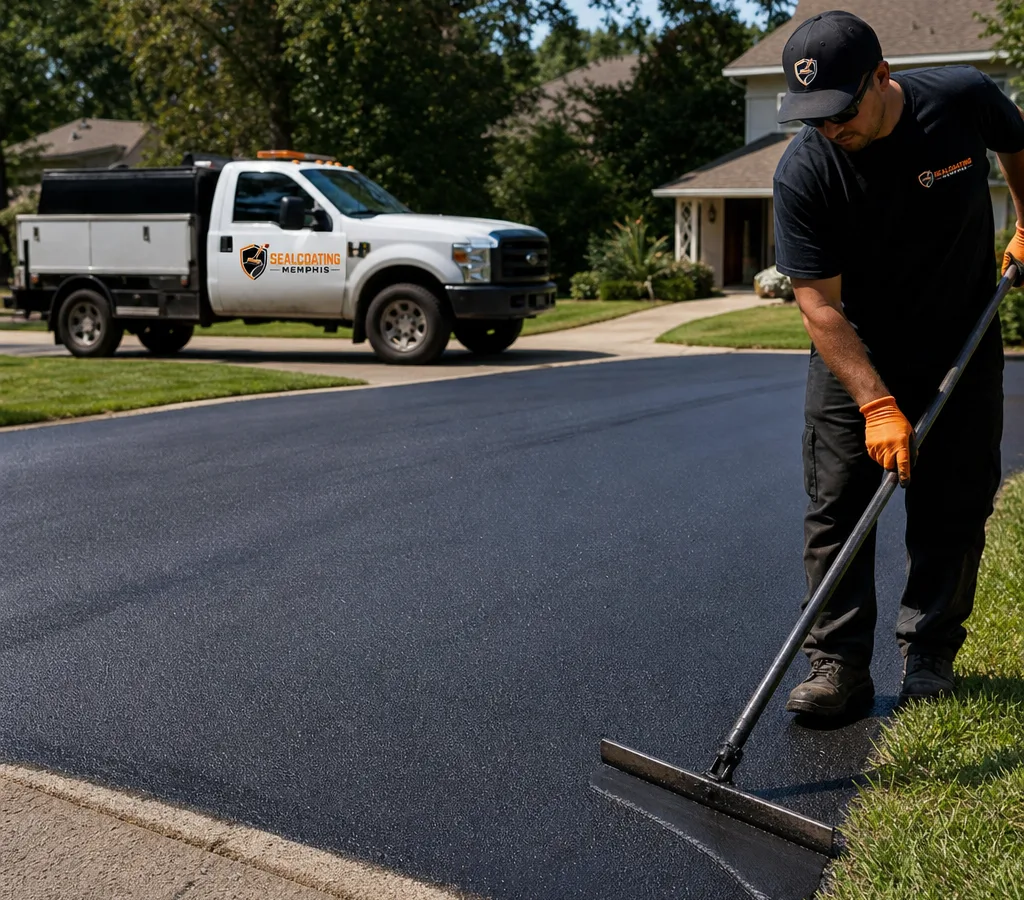
Get a smooth, durable surface built for real traffic, real heat, and real rain. We handle new asphalt, resurfacing, and protective sealcoating with a clear scope and clean finishing.
Built from the ground up
When people search for asphalt paving Memphis, they are usually trying to solve one of three problems: a surface that is failing, a property that needs a clean and safe approach, or a plan to protect a new investment. Asphalt can look great on day one, but it holds up over time only if the base is stable, water drains correctly, and the asphalt is placed and compacted to the right thickness.
At Sealcoating Memphis, we focus on the parts that are easy to skip and hard to fix later. That means checking grade and drainage, identifying weak spots that need full-depth repair instead of a thin overlay, and setting clear expectations for cure times so the surface is not damaged by early traffic.
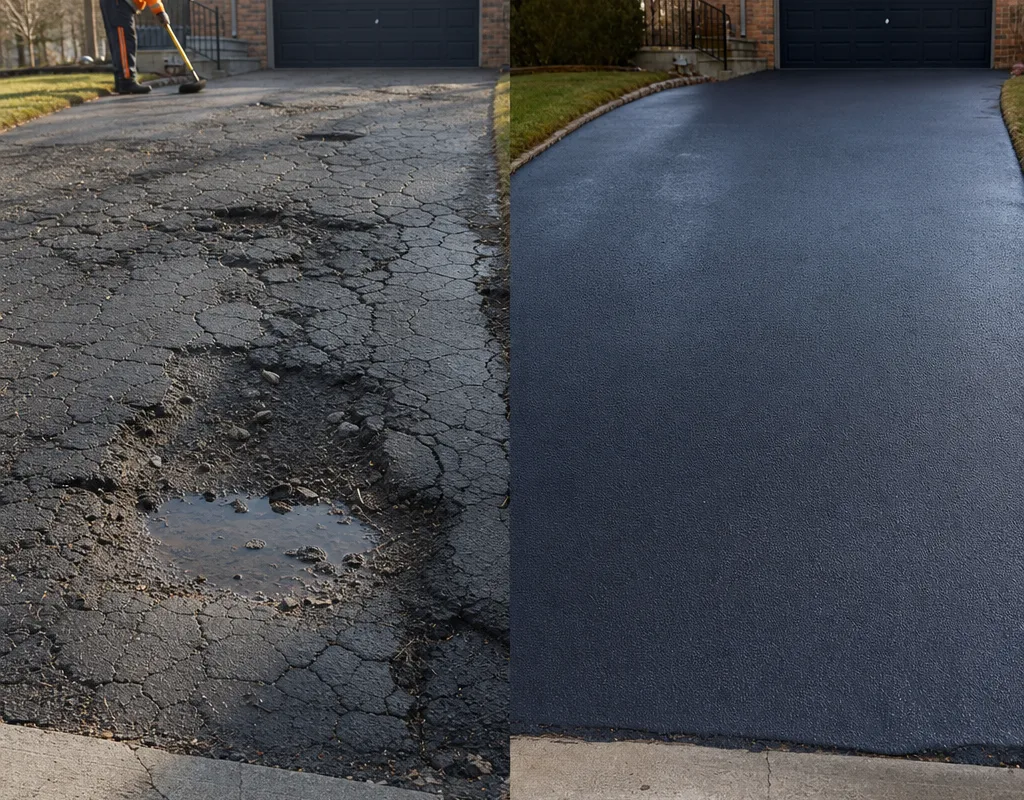
Memphis weather puts pavement through fast cycles of heat, sudden downpours, and temperature swings. Water that sits against an edge or in low areas finds cracks, softens the base, and speeds up potholes and alligator cracking. A solid paving plan starts with drainage and ends with protection, including a sealcoat schedule that fits the way you use the surface.
Condition-based options
We take on asphalt work for residential and light commercial properties, with scope built around what the surface needs, not a one-size approach.
Common projects include:
If you are maintaining multiple surfaces, it often helps to map out priorities across the property. That way, the worst areas get repaired first, and areas that are still structurally sound get preserved with timely sealcoating. For a quick overview of who we are and what we do locally, you can also review Sealcoating Memphis.
Workmanship below the surface
The base supports everything. We look for soft spots, pumping, and edge failures, then stabilize and re-compact before new asphalt goes down.
A driveway that only sees passenger cars is different from an area that gets delivery trucks. Thickness and lift strategy should match the traffic.
Aprons, garage transitions, and tie-ins to existing pavement need clean cuts and tight compaction so they do not unravel early.
Standing water shortens pavement life. We pay attention to grade, swales, and where runoff is supposed to go before we pave.
Compaction is where the strength comes from. Rolling pattern, timing, and edge compaction matter as much as the mix itself.
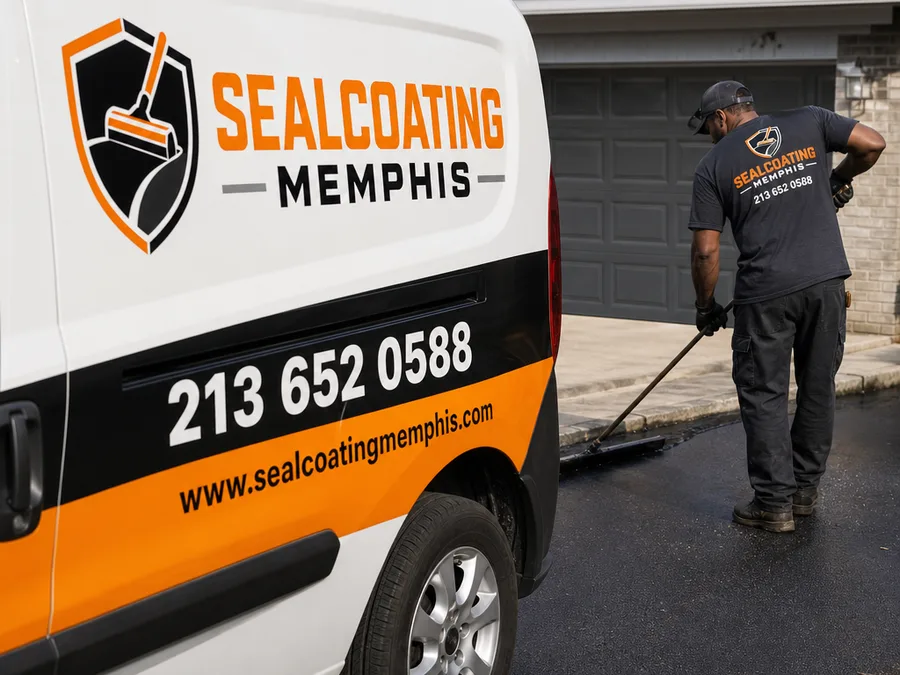
Sealcoating is maintenance, not a fix for structural failure. Used at the right time, it helps slow weathering and keeps the surface easier to clean.
From evaluation to protection
Every step is planned around base stability, drainage, access, and the way your finished pavement will be used.
We look at surface condition, drainage, access, and any failure patterns like edge breakup or potholes. Then we outline whether resurfacing makes sense or if sections need full-depth repair.
Prep can include saw-cutting, removing failed asphalt, compacting the base, and adjusting grade. If the base is unstable, we address it before new asphalt goes down.
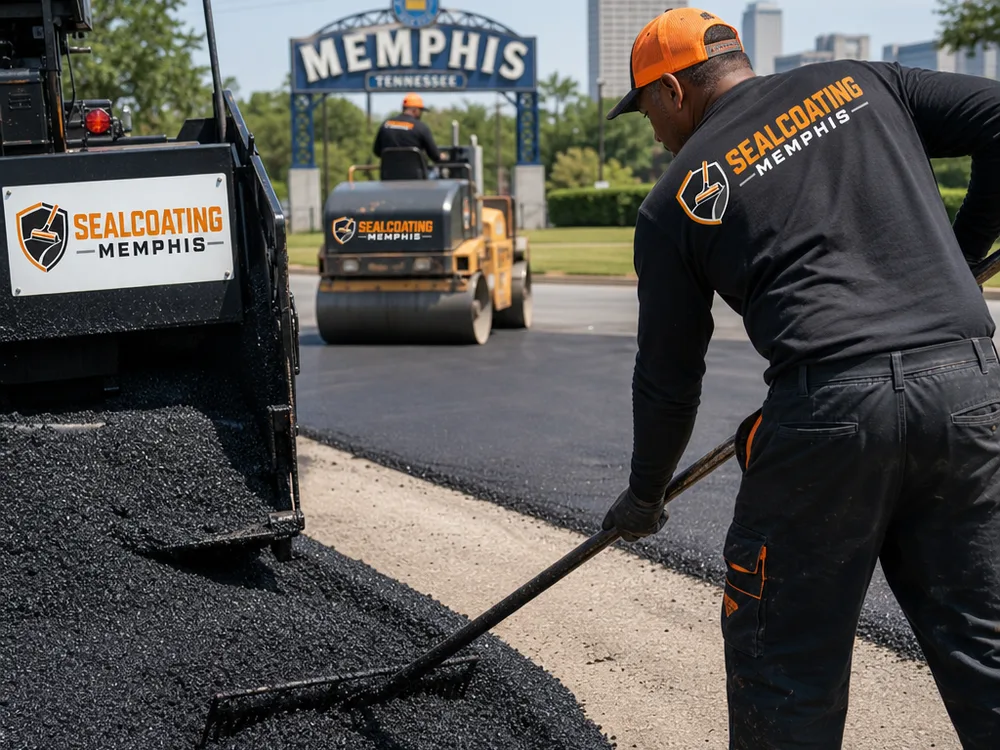
Hot mix asphalt is placed, raked at edges, and compacted in a controlled sequence. We focus on tight edges and clean tie-ins to existing pavement.
Asphalt cools and cures over time. We provide guidance on when to drive on it, when to park, and what to avoid early on, such as sharp turning in place.
After the asphalt has had time to cure, sealcoating can be scheduled to help protect the surface from UV, water intrusion, and wear. Timing depends on the surface and how it is used.
Condition-based pricing
Most asphalt paving projects in Memphis typically range from about $4 to $10+ per square foot, with small driveways often landing around $2,500 to $7,500+ and larger areas or heavier-duty sections costing more. Resurfacing is usually less than full removal and replacement when the base is still solid.
Your final price depends on square footage, thickness, access for equipment, base condition, drainage work, and how much patching or saw-cutting is needed. The exact cost is confirmed after an on-site evaluation and a written scope of work.
Practical answers
Get clear on resurfacing, cure time, drainage, sealcoating, and what your paving quote should include.
Resurfacing works when the base is stable and the damage is mostly in the top layer, but deep potholes, widespread alligator cracking, or areas that stay soft usually need full-depth repair or replacement. On-site, we look for signs of base failure and drainage issues because an overlay over a failing base tends to crack back through.
In many cases you can drive on new asphalt within about 24 to 48 hours, but it continues to cure and harden after that. We give a traffic plan based on temperatures, shade, and how tight the turning movements are, since sharp turns and kickstands can mark a new surface early on.
Sealcoating is usually scheduled after the asphalt has cured, which is commonly several months after installation depending on conditions and use. Applying it too early can trap oils and affect performance, so we base timing on the surface condition rather than a rushed calendar date.
Standing water typically comes from grade that is not carrying runoff away, base settlement, or transitions that were not matched cleanly at garage slabs, sidewalks, or street tie-ins. During the site visit we flag drainage paths and recommend corrections before paving so water is not left to soak into seams and edges.
Yes, we take on light commercial asphalt paving where access, staging, and downtime matter. A practical plan includes phasing so parts stay usable, clear striping boundaries if needed afterward, and a maintenance schedule so the surface stays presentable under daily traffic.
A solid quote should state the square footage, planned asphalt thickness, what base prep is included, how patching is handled, and how edges and tie-ins are finished. It should also spell out expected cure times and any exclusions like hidden base failure discovered after removal.
Plan the work with confidence
Tell us what you are working with and how the surface is used. We will assess drainage and base condition, then provide a written scope that fits your property and your timeline.